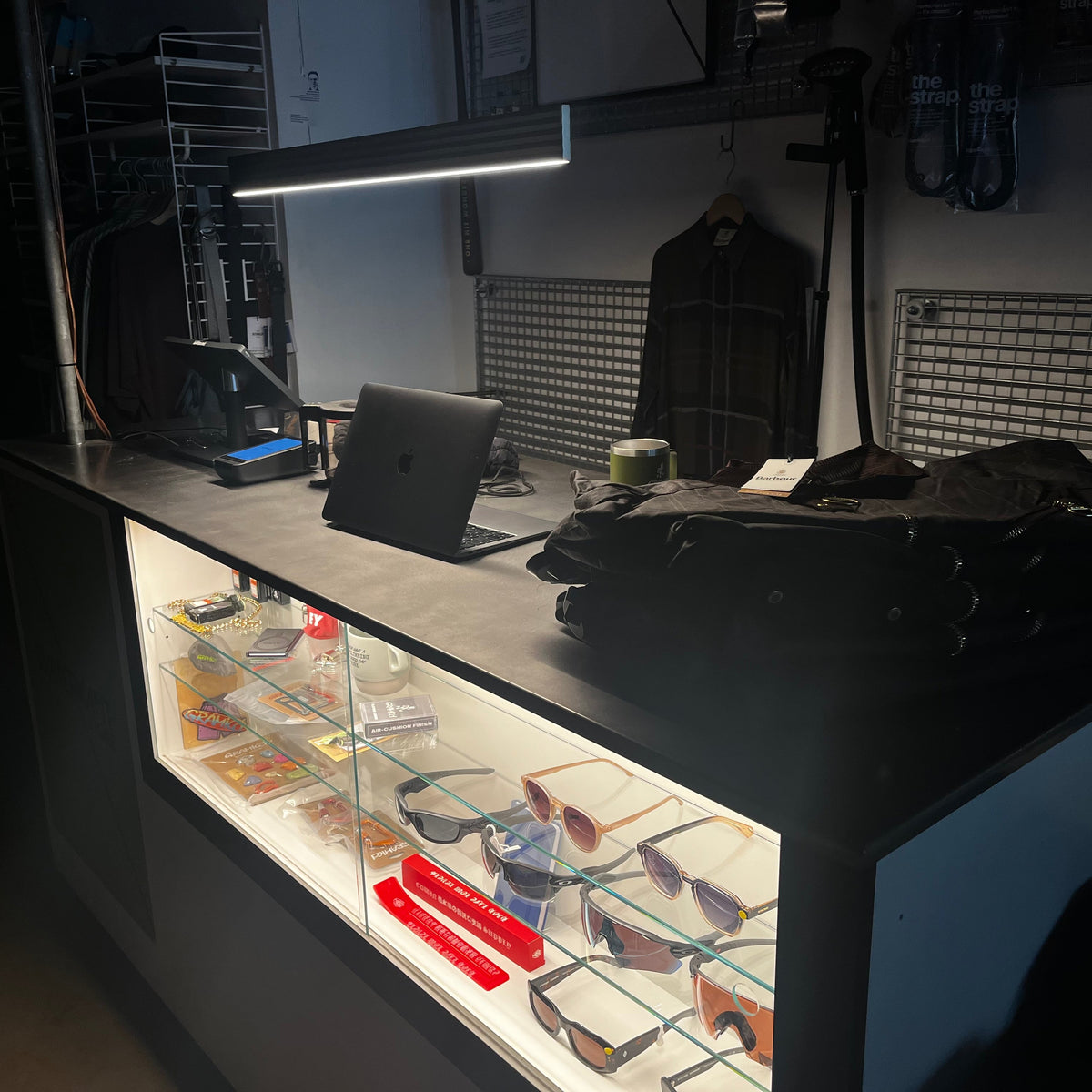

Oakley, but different.
We all know Oakley. At least, usually. Glasses, ski goggles, cycling, and rather fast people in rather aerodynamic clothing. The brand has its own distinctive visual language and has always been more on the technical side. What we hadn't really had on our radar until now: Oakley's clothing can be pretty good. Especially when you're not necessarily into the classic Oakley look.
That's why Oakley Japan is now with us. Or more precisely, the Field Gear Line, FGL for short. This is important because it's not the Japanese version of the regular Oakley range. FGL is its own collection and feels like it too.
We stumbled upon the pieces and were interested pretty quickly. Not because everything looks particularly loud or reinvented. Quite the opposite. A lot of it looks surprisingly normal at first glance. A T-shirt. Pants. A fleece. A down jacket. A cap. Things you just wear. It's only on second glance that you realize Oakley is pretty deep into materials and construction.
Oakley didn't originally come from fashion. Jim Jannard founded the brand in 1975, initially with products for motocross and BMX. The principle was already quite simple back then: develop products that solve a specific problem better. And not just at a desk, but with people who actually use the stuff. This technical approach is still very much present at Oakley today. Except that with FGL, it doesn't necessarily look like sports anymore. Oakley calls it "Outer Motion, Inner Still." A bit of a grand statement, but actually not bad at all. Anything can happen outside, and as little of it as possible should get inside. Rain, wind, cold, movement. For that, there are water-repellent fabrics, stretch, different fleece constructions, insulation, and materials that move moisture away from the body.


The Fuel LS Shirt 6.7 is one of those cases. It looks like a pretty good long-sleeve shirt and can actually do quite a bit more. The fabric is stretchy, water-repellent, and breathable, and it transports moisture to the outside. So, nothing you absolutely need to know when you wear it. But it's pretty comfortable when you do know. We have it in Phantom and Acrid Green.


The Union Tee 6.7 actually does pretty much the same thing, just as a T-shirt. Rayon, nylon, and a bit of polyurethane provide stretch and a rather soft, cool feel. Moisture is absorbed and released. The shirt still looks pretty far removed from classic functional wear. Phantom is understated as expected, while Rouge acts as a subtle eye-catcher.


The Tool Box Pants 6.7 have their name for a reason. Ripstop, water-repellent material, and large pockets. Not those patch pockets that are only there so a pair of pants can scream "utility," but actual storage space. Keys, phone, wallet, maybe a little more. The rest is pleasantly uncomplicated.


The Pit Ankle Pants 1.7 are lighter and have a slightly different character due to the cropped cut. Stretch nylon, water-repellent, quick-drying, and breathable. That sounds like an outdoor catalog at first, but it looks more like pants you could wear just as well in Tokyo as on your way through Hamburg. Which is probably no coincidence.


The Axis Pants 6.7 are designed for the colder season. Boa fleece on the outside, another warming fleece layer on the inside. Warm, soft, yet not particularly heavy. One of those pants where, after ten minutes outside, you realize you should have actually been cold, but you aren't.


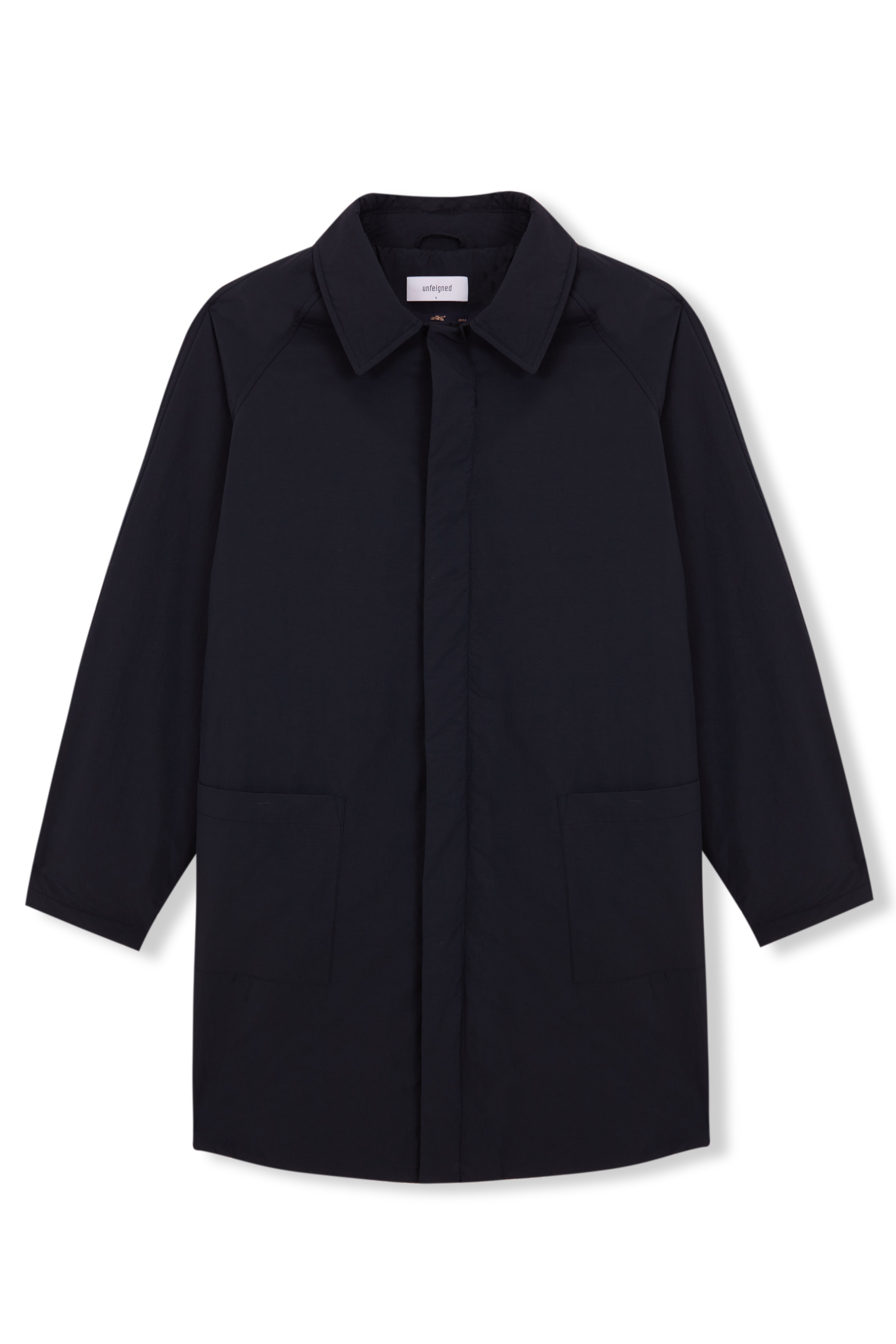
The Sector Jacket 6.7 has a pretty interesting surface and therefore looks a bit less technical than it actually is. Durable, water-repellent material, well-sized pockets, and a silhouette that doesn't immediately look like outdoor wear. Phantom, of course, goes pretty well with it.


The Vapor Jacket 1.0 is the opposite of that. Lighter, more minimalist, almost a little inconspicuous. The material can repel water while letting air and moisture out at the same time. Sometimes a good jacket doesn't need to do much more than that. We like things that don't explain what they can do from ten meters away.


With the Link Boa Jacket 6.7, the matter is clearer. Boa fleece on the outside, warming fleece on the inside. Plus adjustable cuffs and an adjustable hem. This thing is made for you to put on when it gets cold and then not think about it anymore. Gray Wash does the rest.


The Puffy Jacket 6.7 is then the slightly more serious winter version. Lightweight, water-repellent material and insulation that is supposed to retain heat without turning the jacket into a huge sleeping bag. Phantom and Gray Wash. Both pretty good. Both probably still wearable when there's no snow, which is not entirely unimportant for us.
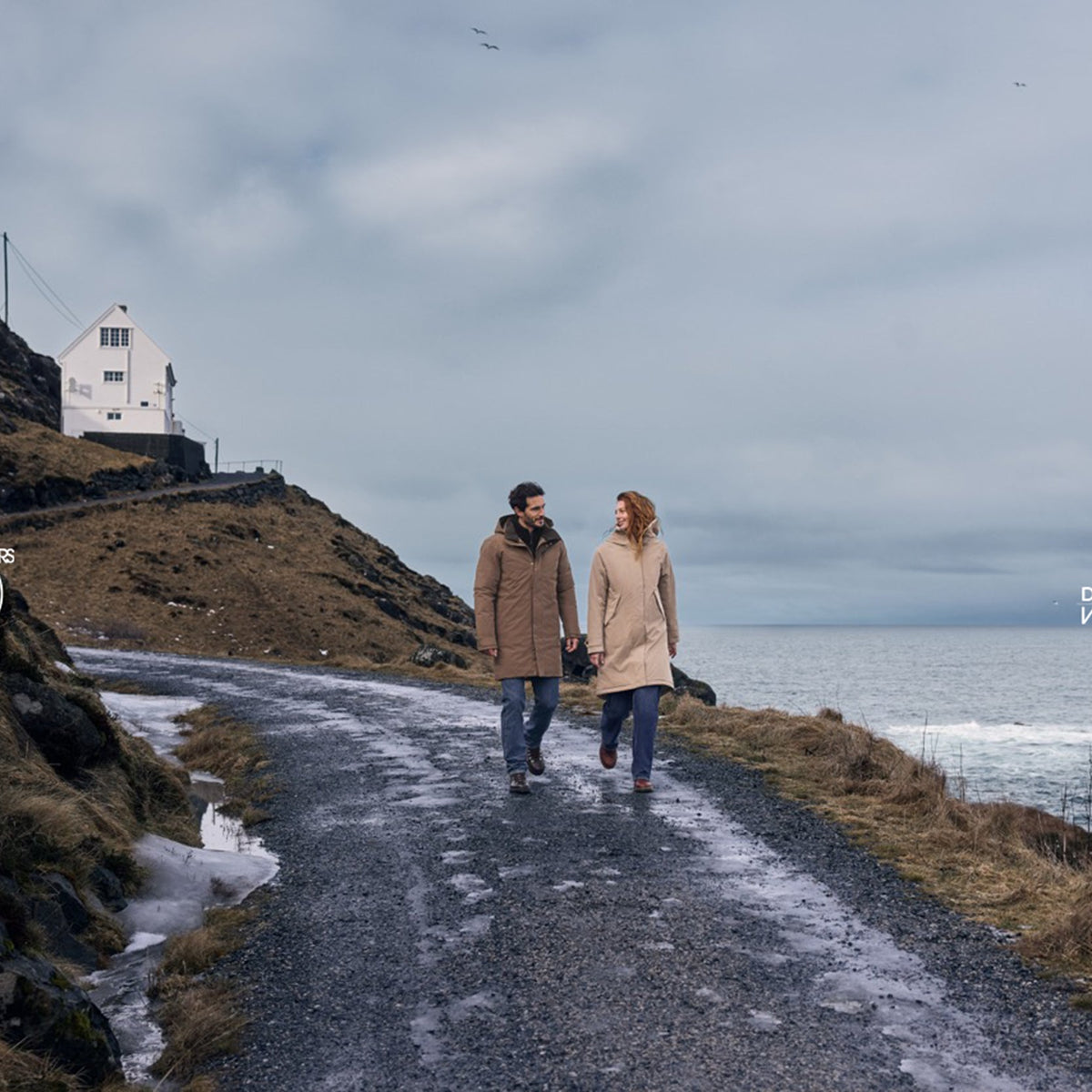
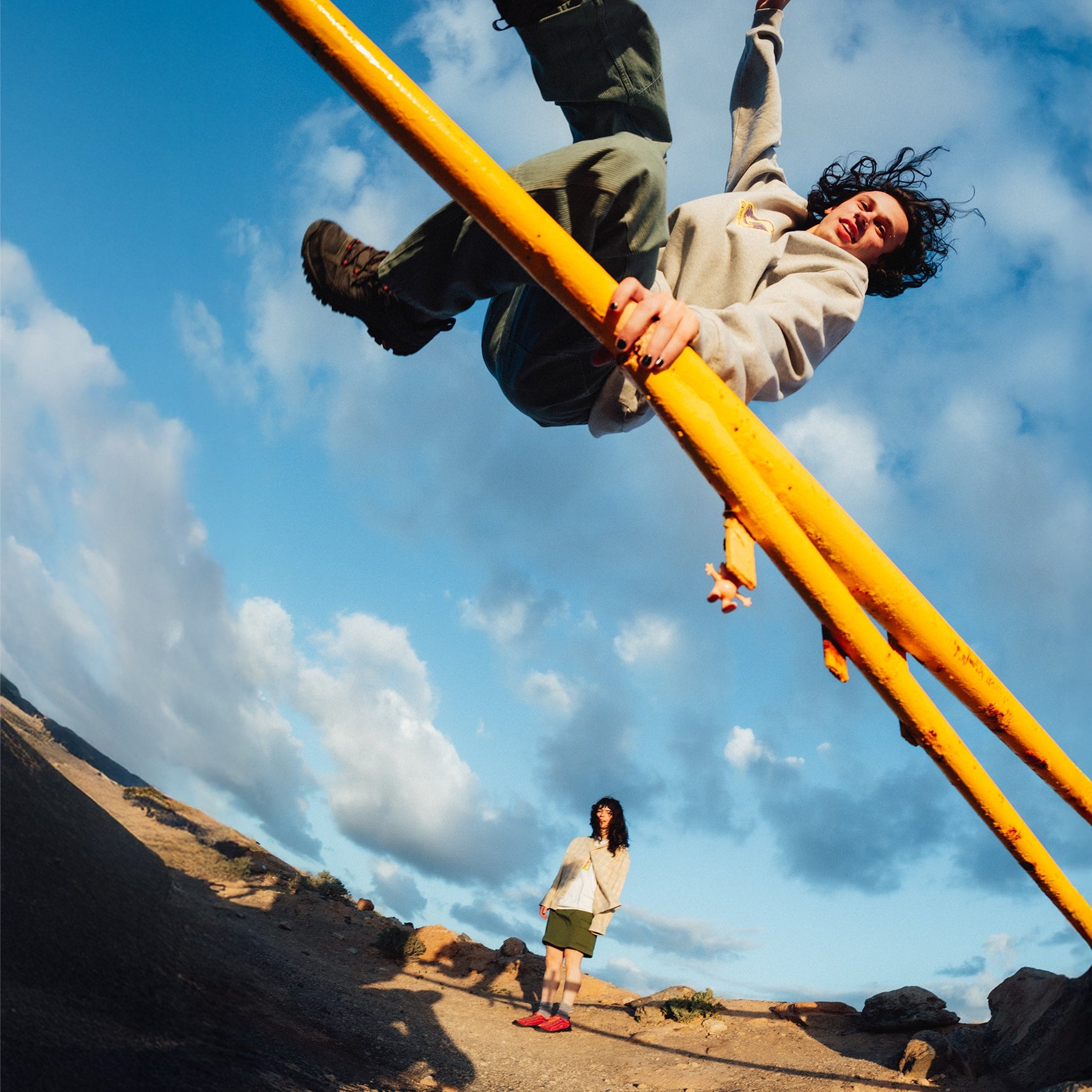
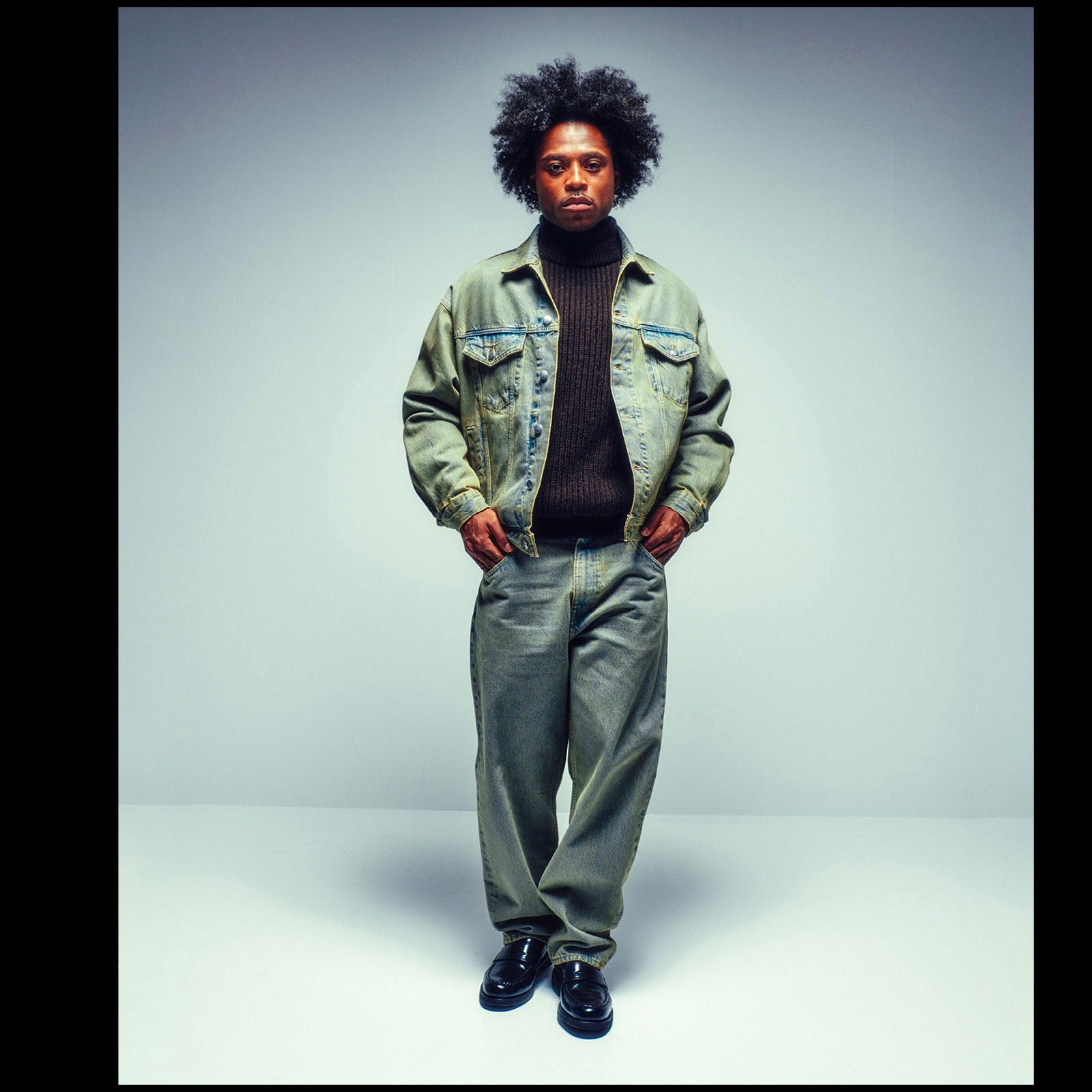
What we like most about FGL in the end is not a specific material or any particular technology. It is the fact that Oakley does not understand function as a look here. The pieces don't necessarily look technical. They also don't feel like you have to reserve them for any special activity. You can ride a bike in them, stand in the rain, sit on a plane, walk through the city, hang out somewhere outside. You can just wear them. We don't need another outdoor brand here to explain to us that a jacket is waterproof. Quite a few can do that by now. We find clothing more interesting that is technical enough that you can rely on it, but looks normal enough that you don't only take it out of the closet for a specific purpose. Maybe that's also the Japanese influence that we like so much about it. Less "look what we can do," more "it just works." Technical fabrics, good cuts, pretty well-thought-out details, and colors that don't push themselves to the forefront.
That's why Oakley Japan is also less of an excursion into a new sports world for us than a complement to what we already like. Good everyday clothing that can do a little more than you can see.
Check out the Oakley Japan (FGL) Collection here now!