


What is the story behind the renewed enthusiasm for technical fashion in recent years and how does it still influence our fashion today?
Trends in the fashion world are nothing new, and in and of themselves, nothing wrong with that. Fashion is still a business, and interest in new styles, colors, and cuts must be generated in order to sell them (although the frequency and scale of this can and should be debated...).
What has changed in recent years is the intensity and pace. And above all, the distribution channels through which new trends are brought to us. Fifteen years ago, in 2010, it was significantly more likely to find out about a fashion giant's new collection either in-store or on the respective retailer's website. But with increasingly visual media platforms like Instagram and, more recently, TikTok, and the hyper-personalized, algorithm-driven influencer model, this discovery has increasingly shifted into the palms of our hands. The smartphone is now the dominant way to discover new fashion and, as such, is indispensable. Access to fashion and, above all, to the consumption of fashion—news about fashion, new collections, news stories, campaigns, sales, etc.—is omnipresent, constant, and instantaneous.
The longevity and turnover rate of a trend have declined rapidly since TikTok cemented its position as the dominant platform for entertaining video content, i.e., since approximately 2019, and exponentially since the beginning of the lockdown period in 2020. Around this time, the model of "fashion cores" emerged – mood board-inspired styles that follow relatively narrow guidelines and serve a very precise and concise aesthetic. From 2020 until at least mid/late 2024, "cores" were THE dominant voice in what's trendy and what's already out...and the turnover rate is breakneck. During this time, dozens of aesthetics alternated at the top of the most-searched fashion trends on TikTok and other platforms, some so obscure and niche that they never even reached the mainstream and appeared as purely online phenomena.
At the beginning of the pandemic, however, a particular aesthetic emerged on social media that actually had greater staying power and radiated far into the mainstream. It became known by its now ubiquitous, but initially meaningless, synonym: GORP-Core .
What does that mean? Well...that's where the wheat was separated from the chaff. If you know, you know, you know? "GORP" is an abbreviation for "good old raisins and peanuts," a popular snack mix that was a staple in the outdoor, hiking, and trail-running community: you're going for a hike or a run in the woods... don't forget your GORP for a quick fix of fat and calories. Ancient, nothing new, and so situational, it seems so arbitrary that this abbreviation would name a worldwide fashion trend. But...
The common denominator of these Activities and communities were all about the location: outdoors! In nature, in the forest, on tracks and trails. And there was a certain need for practical clothing and design. Weather resistance, a sufficient number of pockets and storage options, and an overall design that suited the activity were essential for outdoor activities.
At the beginning of the pandemic, many people suddenly had something they hadn't had before: time. They were forced to pause and organize their daily lives differently. Added to this was the Desocialization due to strict distancing rules and the lockdown. People collectively felt like they were going crazy, the longing to leave their own four walls grew, and where could they exist undisturbed and safe? Well, outside, in the forest, on the coast, on a bike, or in the mountains. During this time, many people swapped their office wardrobe for a softer, more casual style, more suited to working from home, as well as for rain jackets and sturdy shoes. GORP-Core emerged from the need and desire to exist in a (for many average people) new or at least unusual setting. Other demands and needs became apparent, and thus purchasing behavior changed.
Shortly before, at Paris Fashion Week 2019, trendsetters like R&B singer Frank Ocean had already been spotted sporting Arc'teryx skull beanies and bright orange Mammut midlayer jackets – a perfect storm of supply and demand was brewing. Rain jackets, hiking and performance shoes, cargo pants, Sherpa fleeces, hats, and practical accessories like sling bags, gloves, and carabiners quickly became the focus of fashion enthusiasts online.

(Image source: https://www.esquire.com/uk/style/fashion/a60202071/gorpcore-2024-five-years-since-frank-ocean-pfw-outfit/ )
And then, suddenly, things happened very quickly. Rap songs about Arc'teryx jackets went viral on YouTube and TikTok, and rows of people were suddenly standing in the shower with their €600 GoreTex Pro Shell jackets, flexing their water-repellent lotus effect for social media. Long-established outdoor brands like Patagonia, Arc'teryx, The North Face, Salomon, Diemme, and others saw unprecedented interest and an influx of a buyer group that had been completely missing until then: fashion-conscious teens and tweens willing to spend a lot of money on clothing whose actual use case was of no interest to them, or only marginally so.
Now, outdoor-inspired fashion is nothing new, and even in the years before the pandemic, brands like The North Face enjoyed some success through collaborations with, for example, Supreme or Palace. Brands like Stone Island, CP Company, and Adidas Y3 had also enjoyed success well before the pandemic years – in general, practical clothing, cargo pants, and performance shoes were anything but foreign during the techwear and streetwear boom of the 2000s and 2010s. But while TNF-Supreme collabs were still all about logo mania and flexing with eye-catching designs, and footwear was dominated by Jordans and Adidas Ultraboosts, GORP core showed a somewhat different focus. The logos were still important and often displayed, but they had become much smaller. Silhouettes and cuts became more prominent, color palettes became earthier, more muted, more suitable for everyday use, shoes lost their vintage or ball sports-inspired shapes, and sporty, grippier soles, innovative lacing systems, and real performance features like waterproofness were in demand.

(Image source: https://www.youtube.com/watch?v=osUjoawT2nE )
One could go into endless detail at this point about which items of clothing and brands received the most attention, or why absolutely everything had to have a snap hook. But perhaps it's more important, we believe, to look at what the GORP-Core trend did to the fashion world as a whole. The impact was felt everywhere. The desire for more "functional" clothing, which would still be useful beyond trend colors and seasonal cycles, increased dramatically, reaching fast fashion labels like Uniqlo and H&M as well as major luxury houses. Uniqlo's Block Tech Parka, Arc'teryx Beta Shells, The North Face Nuptse Puffer, and Salomon's XT line of shoes flew off the shelves. But even at venerable fashion giants like Prada and Hermes, more and more designs came to the fore that not only sought to be visually and design-wise convincing, but also pursued and aspired to a very clear function. The luxury customer had also indicated that he or she would appreciate it if the clothes he or she bought for thousands of euros not only represented the brand, but would also be useful to him or her when the next season arrived.
In the wake of this outdoor-inspired trend, entire brands that had previously enjoyed a niche existence rose to success and fame. Brands like Auralee, Lemaire (whose creative director also designed for Uniqlo, thus combining fast and luxury fashion), Haglöfs, AndWander, Nanamica, Gramicci, and ROA achieved unprecedented sales figures and continue to grow.
Even if the GORP core uniform of an Arc'teryx jacket, green cargo pants, Salomon XT-6, sling backpack, and 20 carabiners is no longer trendy and the meta for trendy young people, the trend has left its mark, which we welcome. As mentioned at the beginning, trends are only bad if they encourage overconsumption and convey a "buy it or you won't belong" attitude. Fashion is still a form of self-expression and, on the fringes of high fashion or non-consumer clothing, also an art form. Experimenting with new colors, silhouettes, cuts, and styles is fun and broadens your horizons, perhaps opening your eyes to your very own favorite style or introducing you to aesthetics or craftsmanship you weren't previously aware of. Trends can be immensely helpful in this regard.
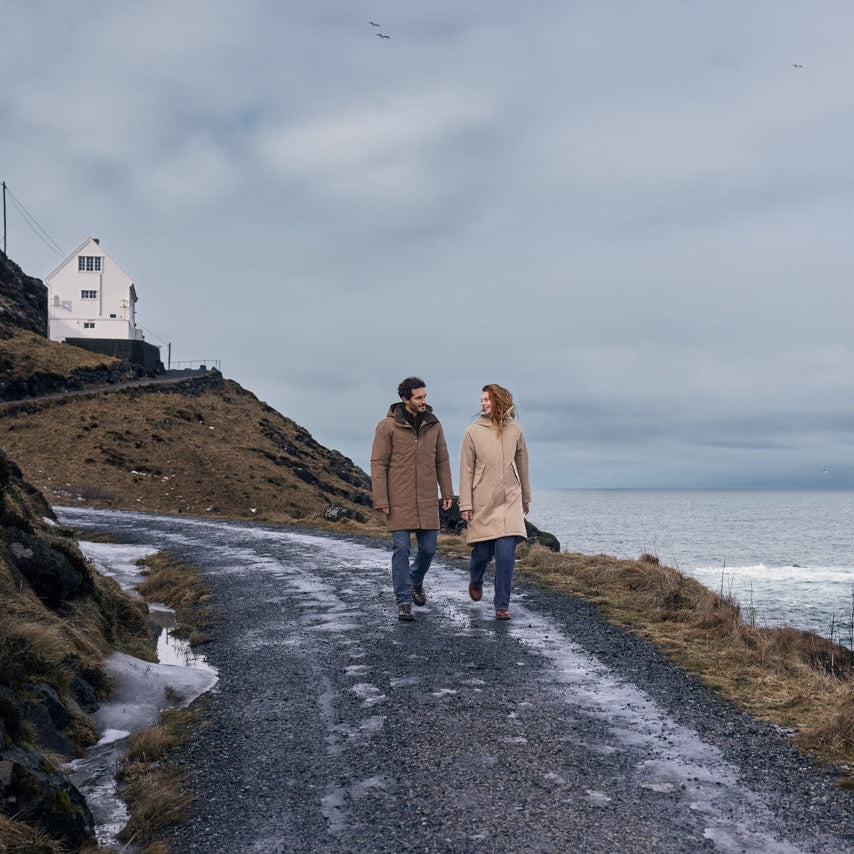
We are convinced that, especially in the latitudes where we are located and move, a hybrid style that combines function and design is indispensable. Both in northern Germany, where we are located, and in Scandinavia, where many of our main brands come from, the tides and the weather are a daily factor in people's lives. Regardless of how you want to present yourself and dress, the weather, the temperature, or the rain will when reaching into the wardrobe every morning No matter how comfortable, stylish, or trendy they may be, linen shorts and Birkenstocks aren't really suitable for cycling to work at -2 degrees and sleet...
Our task and passion has always been to combine the "want" with the "need." We also love to dress beautifully and stylishly (otherwise, we wouldn't have been doing this for so many years), but sometimes you can't avoid choosing a piece of clothing that fulfills a certain function. That's why we like to rely on brands that combine their vision of style with a certain practicality. Not every purchase has to be justified for practical reasons! Sometimes you just want something because it looks nice, and that's perfectly fine. But it's nice to know that the same store where you bought your favorite sweater also carries a rain jacket that's not only practical, but matches my style and I like it regardless of its function.
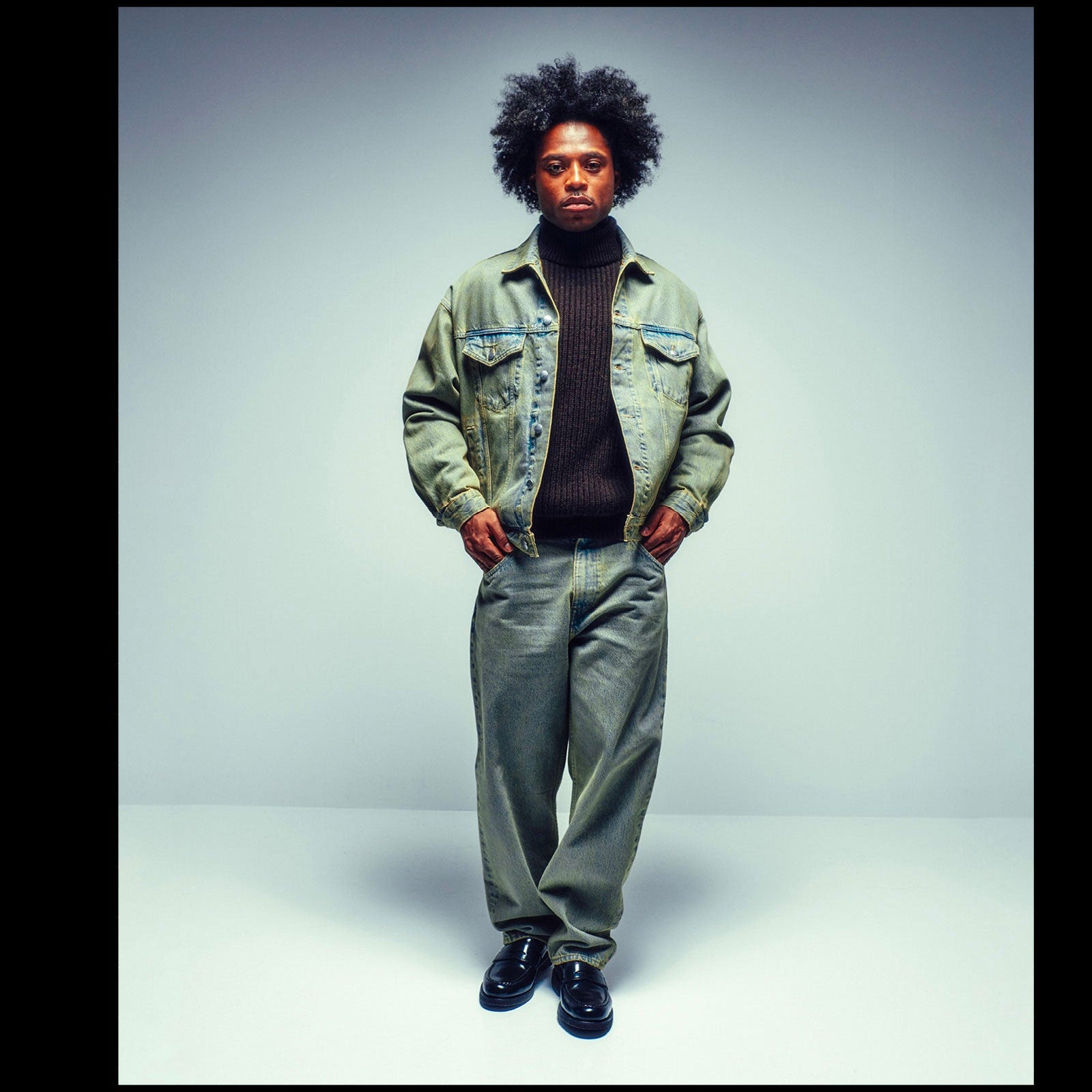
We believe that combining rainproof jackets with flowing suit trousers and shirts, loafers, and streetwear accessories is a completely natural and organic combination. Even a rain jacket under a blazer can work and look good. Not everyone can change three times a day for an event or occasion—your outfit should be able to get you through an entire day (not have to) without you feeling out of place or underdressed. Quite the opposite. And the GORP-Core trend in particular has opened up so many more options, alternatives, and variations in this area, and has also created a certain acceptance for functional fashion, which we think is great.
Trends can be very useful for introducing certain, often positive, elements into the mainstream, thus expanding the possibilities for every customer and buyer. Ideally, trends should be viewed and perceived as opportunities, not as constraints or necessities. And if a trend doesn't appeal to you, it's perfectly fine and okay to sit it out.
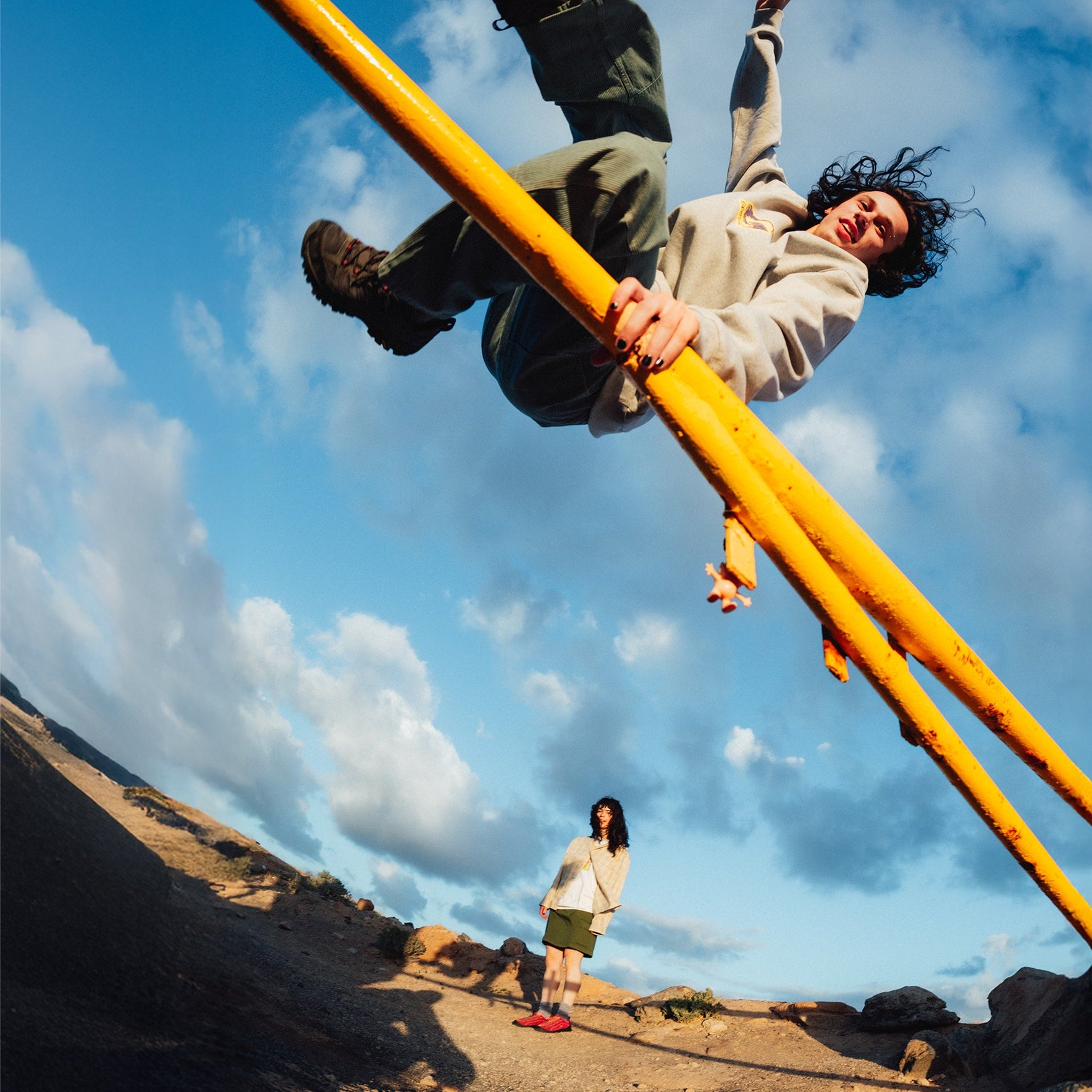
Here you'll find plenty of pieces that would fit effortlessly into any GORP core mood board, but can also shine in a completely different stylistic context. Brands like Didriksons and Elvine offer excellent protection against the elements, as well as city suitability and that typically Scandinavian minimalism that can be easily combined with a variety of wardrobes. Samsøe Samsøe from Denmark collaborates annually with GoreTex and Primaloft manufacturers, offering great hybrids of performance materials and contemporary cuts and silhouettes. Gramicci are known for their climbing-inspired pants and designs and are a staple in both outdoor outfits and casual streetwear looks. Merrell not only produces the world's best-selling trail running shoe, but with their 1TRL line they also offer fashion-conscious buyers an alternative without sacrificing features like waterproofness, Vibram soles, or special cushioning. As the newest addition to our range, we welcome Haglöfs . The Swedish jacket and gear brand has a long history and expertise in performance clothing and is known and celebrated by everyone from bike commuters to extreme mountaineers for its streamlined and reduced design and uncompromising quality.
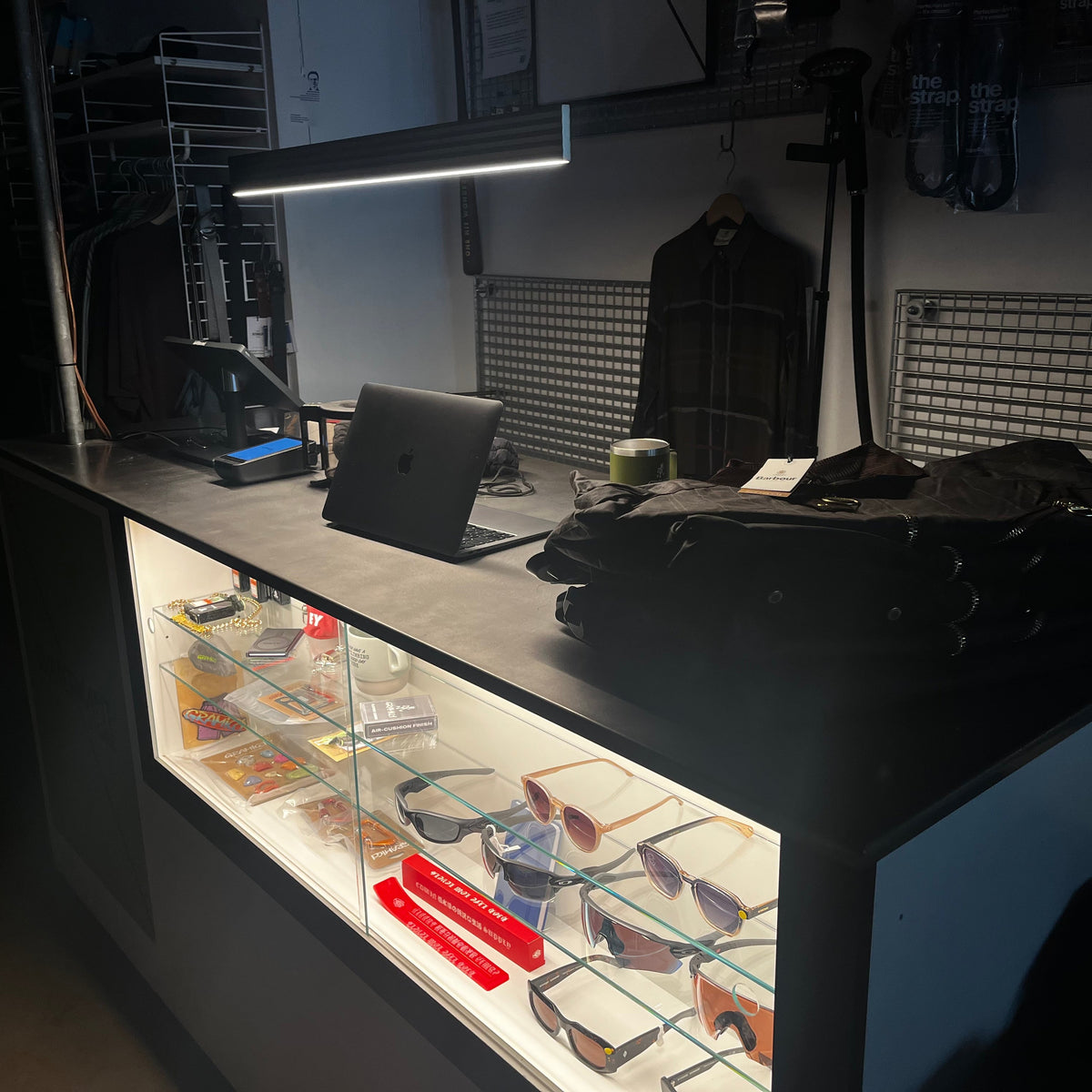
For detailed advice on everything from jackets to backpacks, please feel free to visit our store in Hamburg or contact us online!


